
what is laminated glass
Control Valves in Hydraulic Systems Control valves are integral components in hydraulic systems, playing a vital role in the effective management and regulation of fluid flow and pressure. They are designed to control the direction, flow rate, and pressure of hydraulic fluids, enabling precision in a variety of applications from industrial machinery to automotive systems. Understanding the function and importance of control valves in hydraulic systems is crucial for engineers, technicians, and anyone involved in hydraulic system design or maintenance. Function of Control Valves The primary function of a control valve in a hydraulic system is to manage the flow of hydraulic fluid. This can be achieved by either throttling the flow or completely blocking it, depending on the operational requirements. Control valves can be actuated manually, pneumatically, or electronically, allowing for a range of control strategies from simple operator-driven adjustments to complex automated systems. In practice, control valves are classified into several types including proportional valves, directional control valves, and flow control valves, each serving specific functionalities 1. Directional Control Valves These valves manage the path that the hydraulic fluid takes within the system, ensuring that fluid flows to the correct actuator or component. They can switch the direction of flow based on the actuator position and the desired movement of the hydraulic machine. 2. Flow Control Valves As the name suggests, these valves regulate the speed of fluid flow to the actuators. By modifying the flow rate, they control the pace at which hydraulic cylinders or motors operate. This is particularly important in applications that demand precise speed control for effective operation. 3. Proportional Valves These advanced control devices adjust flow rate and pressure in a continuous and proportional manner, as opposed to merely opening or closing. This allows for fine-tuned control over actuator movement, making them ideal for applications requiring high precision. Importance in Hydraulic Systems control valve in hydraulic system The significance of control valves extends beyond simple flow regulation. Their role is crucial in ensuring the efficiency, safety, and reliability of hydraulic systems. 1. Efficiency By controlling the flow and pressure of hydraulic fluid effectively, control valves minimize energy loss. Efficient operation means that hydraulic systems consume less power, which translates to lower operational costs and reduced environmental impact. 2. Safety Properly functioning control valves help to prevent overpressure conditions that could lead to equipment failure or catastrophic incidents. For instance, pressure relief valves are essential for protecting hydraulic systems from excessive pressure, ensuring safe operation under varying load conditions. 3. Flexibility The ability to control the mechanical power produced by hydraulic fluid allows for a wide range of applications. From construction machinery to automotive systems, the versatility of control valves is beneficial in adapting hydraulic systems to meet specific operational demands. 4. Maintenance and Troubleshooting Control valves can also aid in diagnosing issues within a hydraulic system. By monitoring the flow and pressure changes in response to valve adjustments, technicians can identify potential problems such as leaks, blockages, or failures in other system components. Design Considerations When selecting control valves for hydraulic systems, several factors must be taken into account, including the type of hydraulic fluid used, operating pressure, flow rate, and environmental conditions. Compatibility with the overall system design is essential to ensure optimal performance and longevity. Additionally, regular maintenance and calibration of control valves are vital to their continued functionality, helping to avoid system failures and costly downtimes. Conclusion Control valves are indispensable components of hydraulic systems, ensuring effective management of hydraulic fluid flow and pressure. Their various types serve distinct functions, and their importance cannot be overstated—from enhancing efficiency and safety to allowing flexibility in system operation. For anyone working with hydraulic systems, a thorough understanding of control valves and their applications is essential for achieving optimal system performance and reliability. As technology continues to advance, the development of smarter and more efficient control valve mechanisms will undoubtedly further enhance the capabilities of hydraulic systems in the future.
about
what is laminated glass
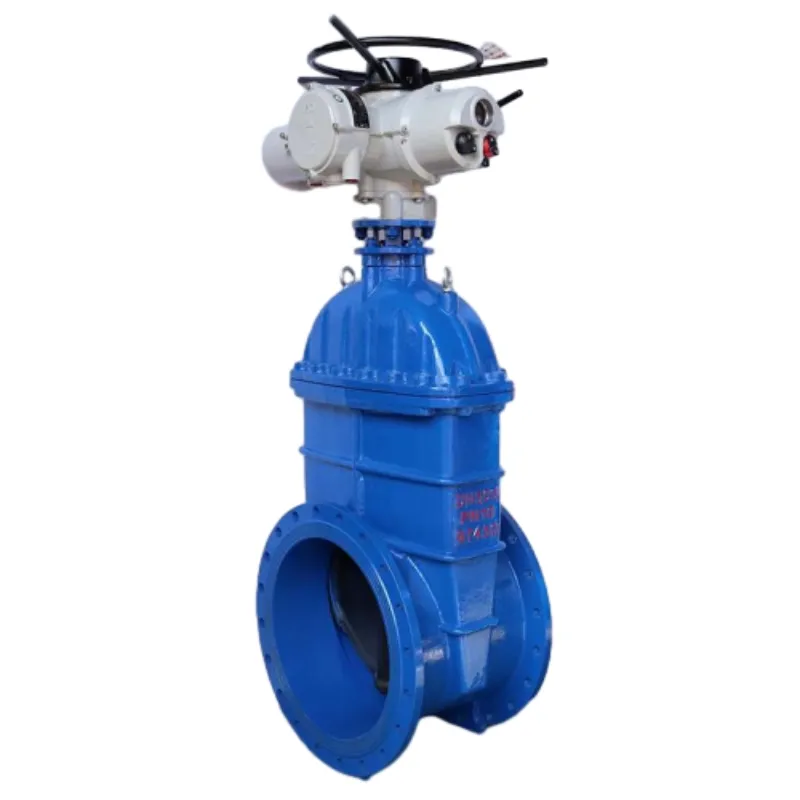
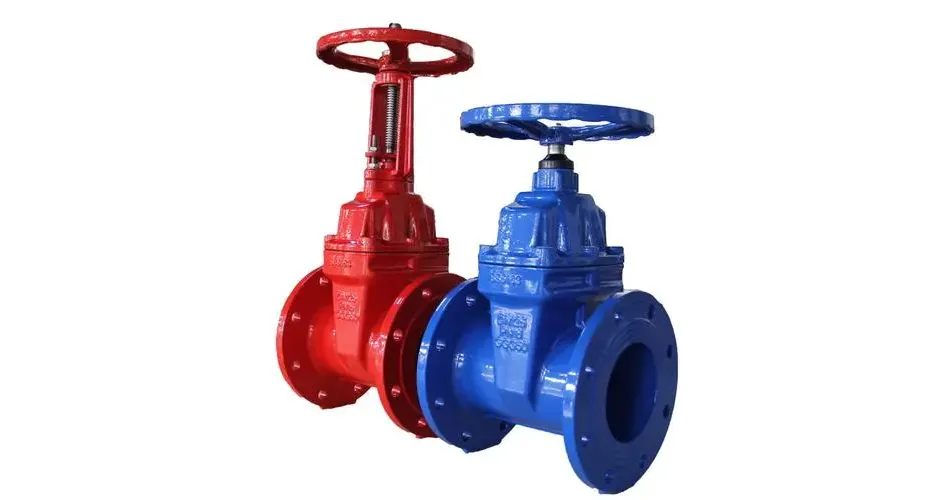
An Overview of 3% and 4% Gate Valve Prices Gate valves are a critical component in many fluid control systems, offering a reliable way to start or stop fluid flow in pipelines. They are known for their durability and ability to withstand high pressures, making them popular in various industries such as water supply, oil and gas, and chemical processing. When it comes to purchasing gate valves, one question that often arises is how do the prices of 3% and 4% gate valves compare? Understanding Gate Valves Before diving into the pricing aspect, it's essential to understand what a gate valve is. It operates like a sliding gate, with a wedge-shaped metal gate that is raised or lowered to control flow. Gate valves are classified based on their design, material, and the size of the pipe connection. Typically, the percentage figures—3% and 4%—refer to the valve’s flow capacity or its effective performance under specific conditions. Price Factors The price of a gate valve can vary widely based on several factors 1. Material Gate valves can be made from various materials, including stainless steel, brass, cast iron, and PVC. Stainless steel valves tend to be more expensive due to their resistance to corrosion and high durability, while PVC options are generally more affordable. 2. Size The larger the gate valve, the higher the cost. A 3% or 4% gate valve could range widely in size—common dimensions might be anywhere from 2 inches to 24 inches in diameter, directly impacting the price. 3. Brand Different manufacturers have different pricing structures. Established brands with a reputation for quality may charge more for their gate valves, while lesser-known brands might offer cheaper alternatives. 3 4 gate valve price 4. Flow Capacity The ratings of 3% and 4% relate to the valve’s flow capacity under certain conditions, which can also affect the price. Higher flow capacity valves can be pricier due to their engineering and design intricacies. 5. Functionality and Features Some gate valves come with additional features like automation compatibility, pressure-relief systems, or enhanced sealing capabilities. These additional features can increase the price compared to standard models. Price Ranges While the exact prices can fluctuate due to the factors mentioned above, generally speaking, you might expect - 3% Gate Valves Ranging from $50 to $200, depending on size, material, and manufacturer. - 4% Gate Valves Typically priced between $100 and $300, reflecting an increase due to the higher flow capacity or more sophisticated features. Purchasing in bulk can also bring down the per-unit cost, which is something businesses often consider when stocking up on essential components. Conclusion In conclusion, the prices of 3% and 4% gate valves can vary significantly based on a multitude of factors including material, size, brand, flow capacity, and additional features. Understanding these elements is crucial for making an informed decision that best meets your needs and budget. Whether you require a standard gate valve or a more advanced option, taking the time to research and compare prices will ultimately lead to better purchasing decisions for your fluid control systems.
-

High quality industrial productsagement

High quality industrial products
View Details -

Meet the diverse needs of customers

Meet the diverse needs of customers
View Details -

Strict quality control

Strict quality control
View Details -

Top raw materials

Top raw materials
View Details -

Trusted supplier

Trusted supplier
View Details
Our application

news and information

Wooden Nail Plates for Secure and Durable Construction Solutions
The Importance of Nail Plates for Wood Construction When it comes to woodworking and construction, t
Versatile Clamps for Efficient Welding Table Setup and Secure Workholding Solutions
Essential Guide to Welding Table Clamps A Must-Have for Every Workshop Welding is a crucial skill in
What is the Difference Between Butterfly Valve and Gate Valve
Butterfly valves and gate valves have significant differences in multiple aspects, mainly reflected
 English